
Build a Better Future Through Beekeeping
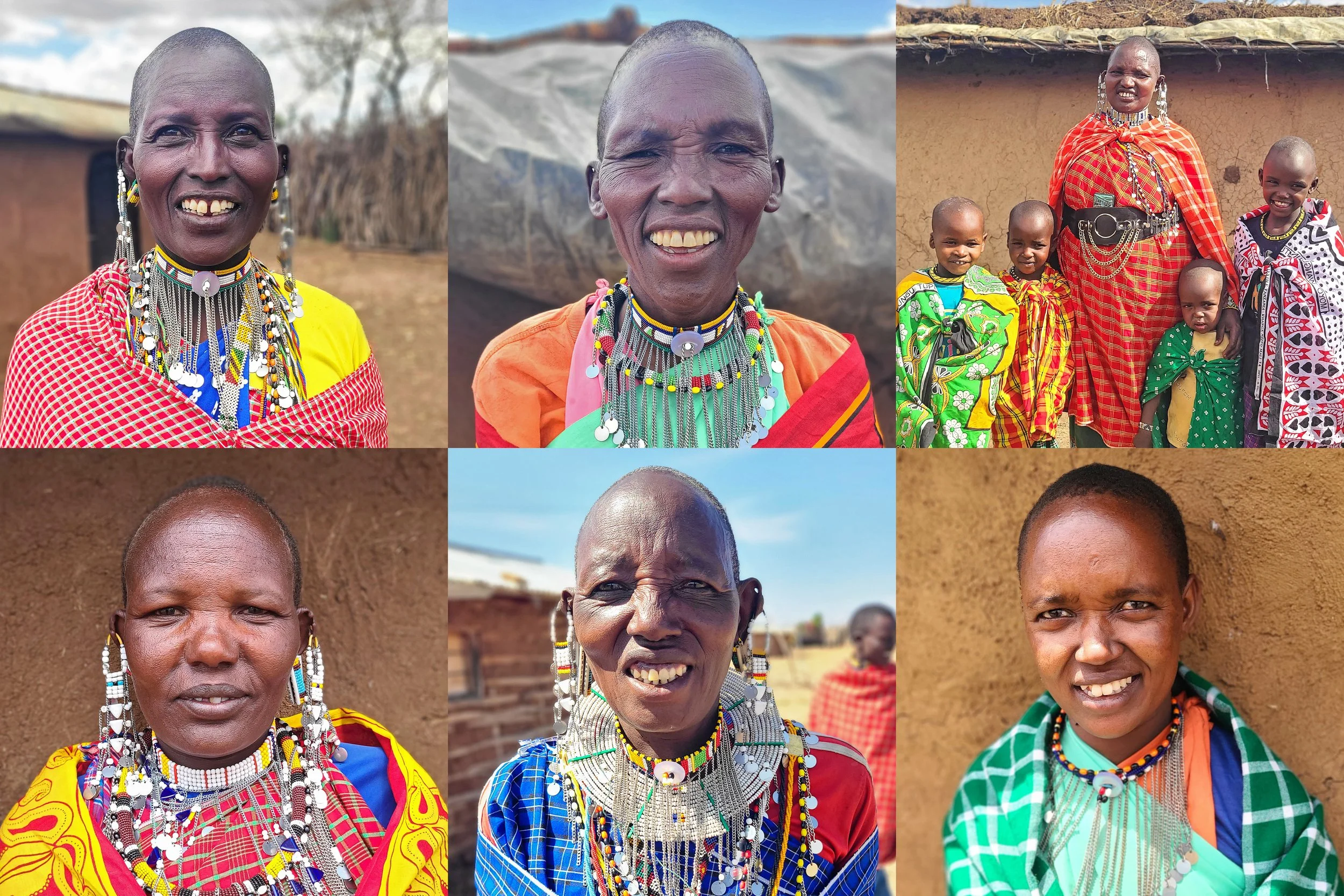
A long journey across the acacia plains of northern Tanzania brings you to Empopongi, a remote Maasai sub-village of Kirtalo, in the Ngorongoro District. A full days journey from the nearest city, Empopongi is surrounded by vast stretches of indigenous woodland that extend toward the Serengeti. It's home to an abundance of native trees, wildflowers, and wildlife - including African honeybees!
The remoteness of the village provides limited job opportunities, but the landscape makes it an ideal environment for beekeeping! For the ten members of the Empopongi beekeeping cooperative, we want to give them the opportunity to build a more secure livelihood for their families through beekeeping.
We're raising funds to provide these ten villagers — eight women and two men — with the training, beehives, protective gear, and equipment they need to become successful beekeepers.

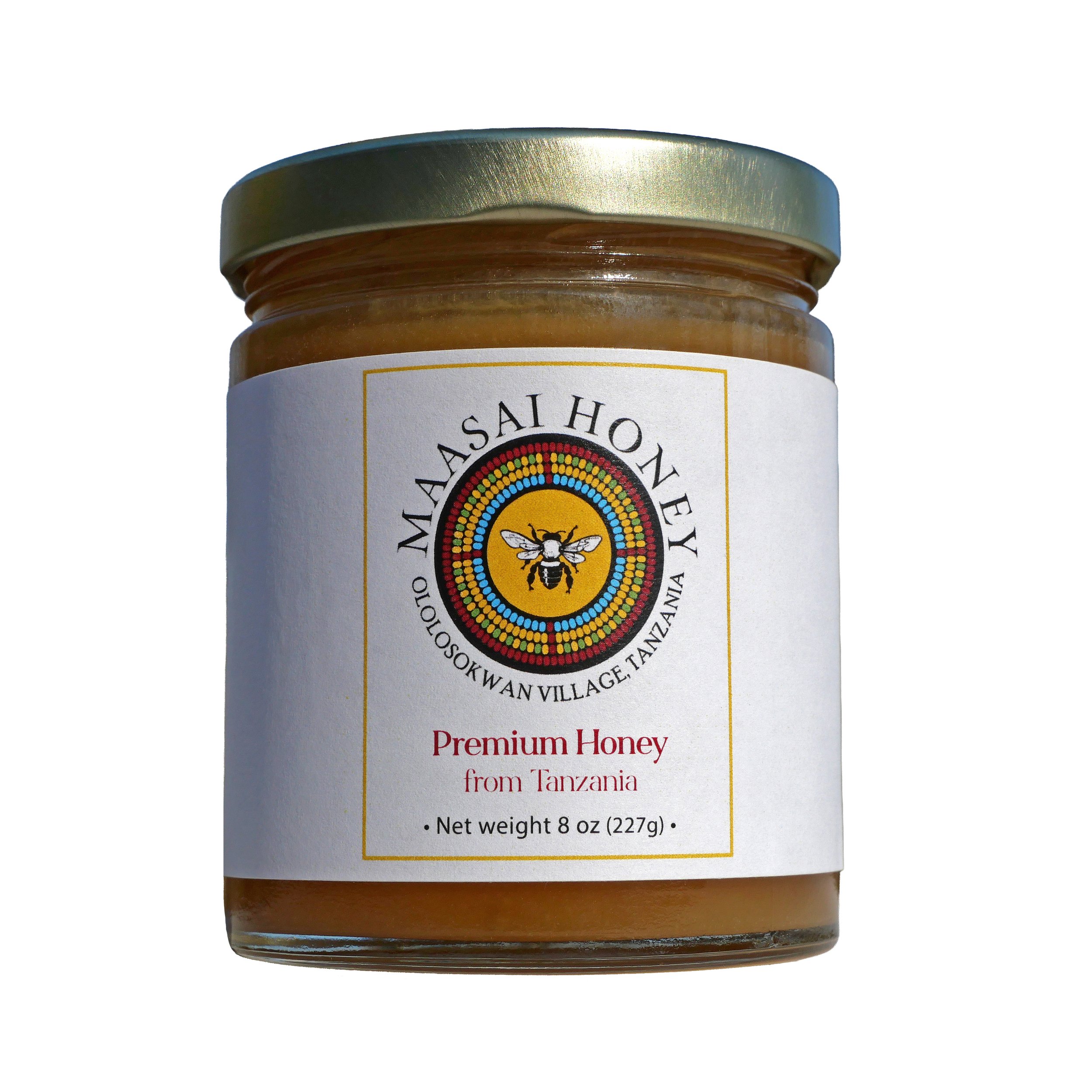
Maasai Honey claimed first prize in the “World Wildflower” category of the 2025 Black Jar Honey Contest, hosted by the Center for Honeybee Research!
Try this unique honey for yourself to
taste why it’s a winner!
Premium Raw Honey
Sourced from Acacia forests surrounding the Serengeti of Tanzania
100% raw - contains natural enzymes, minerals, and antioxidants.
Native African bees forage from acacia trees and other wildflowers (bees are never fed sugar!)

Fair trade & Ethically sourced
Honey is sourced from a cooperative of Maasai women beekeepers in Ololosokwan Village, Tanzania. We’ve been working with many of these beekeepers for 10+ years, partnering to distribute their unique honey.
All beekeepers are paid fair prices for raw, unprocessed honey.
The majority of the beekeepers are graduates of the Maasai Honey beekeeping training program. Learn more.

Honey from African Honeybees
Maasai Honey is a product of the African honeybee (Apis mellifera scutellata). Not to be confused with “Africanized bees”
African honeybees are extremely aggressive, but also very resilient to disease and predators.
Wild African bees naturally occupy the beehives. Bees forage from native flora including acacia trees and Serengeti wildflowers.


Pure, Raw Tanzanian Honey
